November 25, 2026
Why Property Buyers Should Understand Septic Engineering and Design in Wantage NJ
By @miloicyz840

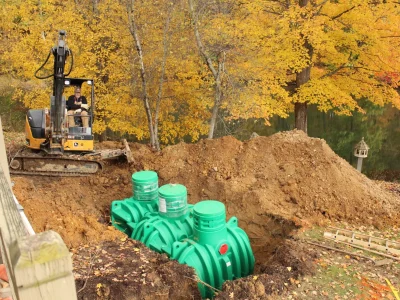
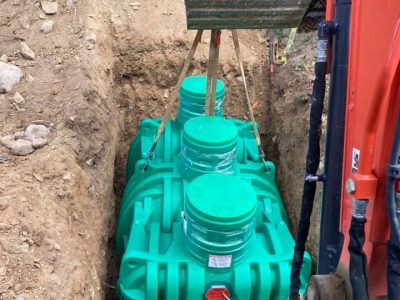
Buying rural or semi-rural property comes with a different set of questions than buying a house on public sewer. In Wantage, that difference is not small. It can shape what you build, what you spend, how fast you can close, and whether a parcel that looks perfect from the road is actually practical to own.
A lot of buyers focus on the visible things first. They notice the view, the driveway, the tree line, the old stone walls, the amount of frontage, the distance from neighbors. Those details matter. But with property that relies on an on-site wastewater system, some of the most important facts are underground. Soil depth, seasonal groundwater, bedrock, slope, and the location of wells all affect whether a septic system can be installed, replaced, or expanded without major complications.
That is why septic engineering and design Wantage NJ should not be treated as an afterthought. It is a central part of due diligence. Buyers who understand that early tend to make better decisions, avoid expensive surprises, and negotiate from a stronger position.
The difference between a nice lot and a buildable lot
A parcel can be beautiful and still be difficult to develop. I have seen buyers fall in love with open acreage, only to discover later that the usable area for a septic disposal field is far smaller than expected. Sometimes the issue is shallow bedrock. Sometimes it is a perched water table that limits where and how wastewater can disperse. Sometimes the lot shape leaves too little room to satisfy separation distances between the septic system, a private well, property lines, streams, wetlands, and existing structures.
This matters in Wantage because rural properties often have more variables than suburban in-town lots. Some sites are straightforward. Others carry constraints that are not obvious unless someone evaluates the soils and the site layout with a trained eye. A septic engineer does not just answer whether a system can go somewhere on the property. The real question is whether a code-compliant, maintainable system can go in the right place, at a realistic cost, while still leaving room for the house, driveway, well, grading, and any future additions.
That distinction becomes critical when buyers are considering vacant land. A real estate listing may describe a property as buildable based on older assumptions, informal opinions, or incomplete prior work. The only opinions that matter are the ones supported by current testing, design standards, and agency review. Land value can swing sharply depending on that outcome.
Septic design is engineering, not guesswork
There is still a tendency among some buyers to think of septic as a simple tank in the ground with pipes running out to a field. On a very basic level, that image is not wrong. In practice, though, modern septic design is a site-specific engineering exercise.
The engineer has to match the proposed wastewater flow to actual site conditions. That process often involves soil testing, review of topography, identification of limiting zones, and analysis of where reserve disposal area can be maintained. The reserve area is a point many buyers miss. It is not enough to fit one functioning system. In many cases, there also needs to be room set aside for a replacement area if the original field ever fails.
The design also depends on the intended use of the property. A three-bedroom home creates a different design basis than a five-bedroom home. If a buyer is planning an addition, finishing an attic, or creating an in-law arrangement later, that can affect septic sizing and layout. I have seen buyers purchase older homes thinking they would add bedrooms after closing, only to learn the existing system was already at its practical limit. At that point, a renovation that seemed routine becomes tied to redesign, permitting, and substantial excavation costs.
In other words, septic engineering and design Wantage NJ is not paperwork for paperwork’s sake. It is the technical process that determines what the property can actually support.
Why Wantage buyers need to pay attention earlier than they think
In towns with sewer access, buyers can often sort out utility questions after the major purchase decision is made. In Wantage, waiting can be risky. The septic question should be part of the earliest screening, especially if the property is vacant land, an older farmhouse, a home with visible site constraints, or a house where the buyer plans to expand.
The reason is simple. Septic issues can be expensive, but they can also alter the entire feasibility of the purchase. If testing shows unfavorable conditions, the buyer may need a more complex system than expected. Even if the lot remains buildable, there can be consequences. The house placement may need to shift. The driveway may need to move. Tree clearing may increase. Grading costs can rise. In some cases, the amount of usable yard changes more than people expect because the septic field area and reserve area must remain protected.
This is especially important for people moving from more urban or suburban parts of New Jersey. They may be comfortable evaluating commute times, school districts, taxes, and roof age, yet have little experience reading a site plan or understanding soil logs. That gap is normal. It only becomes costly when buyers assume septic details can be handled casually.
What an engineer is actually looking for on a site
When a septic engineer evaluates a property, the work is far more specific than a quick walk-around. The goal is to determine how wastewater can be safely treated and dispersed on that particular lot under local and state rules.
Among the most common factors are these:
- soil texture and drainage characteristics
- seasonal high groundwater conditions
- depth to bedrock or other limiting layers
- slope and topographic constraints
- required setbacks from wells, structures, and environmental features
Each of those factors can change the design approach. A site with generous, well-drained native soils may allow a relatively conventional solution. A site with more challenging conditions may require imported fill, pressure distribution, a mounded configuration, or another engineered approach. The cost difference can be substantial, not just at installation but over the life of the system.
That is where buyers benefit from understanding the process rather than just hearing a final yes or no. Two properties may both be technically approvable, but one may carry far more long-term cost and complexity than the other.
Older systems are often the hidden story in existing home sales
With an existing home, the conversation changes a bit. The question is not only whether the current system works today. It is whether it was properly designed for the house, whether it has been maintained, whether it shows signs of stress, and whether replacement options remain feasible if the system is near the end of its useful life.
Many buyers assume a home that has been occupied for years must have a sound septic setup. That assumption can be dangerous. Some older systems predate current standards. Others may have been altered over time, sometimes with additions to the home that increased flow beyond what the original system was meant to handle. A system can limp along for quite a while before its weaknesses become obvious. By the time wet spots, odors, backups, or repeated pumping problems appear, the replacement discussion may already be urgent.
I have also seen situations where the existing field functioned well enough, but the replacement area was constrained by later site changes. A pool, patio, garage, or driveway had been added over the years, and the layout that once worked on paper no longer left a practical path for future replacement. Buyers almost never spot that on their own during a standard showing.
This is why septic due diligence should go beyond a casual seller disclosure. Records, inspection results, maintenance history, and site planning all matter. If the home has had renovations or occupancy changes, those details deserve close attention.
The cost question buyers really want answered
Most buyers ask the same thing sooner or later: what is this likely to cost me?
There is no honest one-size-fits-all answer. Septic costs vary widely because site conditions vary widely. A relatively simple replacement on a favorable lot may land in a very different range than a new engineered system on constrained ground. Add excavation difficulty, stone, groundwater management, pump components, longer pipe runs, grading, or imported materials, and the numbers can move fast.
What buyers should understand is not just the installation cost, but the total cost profile. That includes engineering, testing, local review, surveying if needed, installation, restoration, and future maintenance. In some cases, a property that seems attractively priced is discounted because the site development costs are higher than average. In others, the house price may not reflect the true replacement exposure sitting below the surface.
A smart buyer does not ask only, “Can I get a septic system here?” A smarter question is, “What kind of system is likely here, what does that imply for budget and upkeep, and how does that affect the total value of the property?”
That framing leads to better decisions.
Why well location matters more than many buyers expect
In areas with private wells, septic and water supply planning are linked. Separation distances matter. Site layout matters. Future replacement area matters. A well placed without enough foresight can complicate septic options, and the reverse is also true.
On a broad, open lot, this may not be a major issue. On a narrow lot, sloped parcel, or property with natural constraints, the positioning of the house, well, septic field, and driveway can become a three-dimensional puzzle. Move one piece and another piece gets squeezed.
This is one reason vacant land buyers benefit from coordinated planning early. It is not enough to identify a nice homesite from a visual standpoint. The whole utility layout should make sense together. If the preferred house location forces a difficult well location or pinches the septic reserve area, the “best” homesite may not actually be the best.
That sort of problem is avoidable when it is caught in concept planning. It is frustrating and expensive when discovered after a buyer has already committed to a design direction.
The local reality of soils, slopes, and seasonality
Wantage offers a lot that draws buyers to Sussex County in the first place: space, scenery, rural character, and a break from denser development patterns. It also comes with varied site conditions. Some lots are open and forgiving. Others have rolling terrain, shallow rock, wooded sections, drainage features, or seasonal groundwater concerns that influence septic feasibility.
Seasonality matters too. A property can look dry and stable during one part of the year and present very different conditions during wetter periods. That is one reason site testing and formal evaluation matter more than visual impressions. I have heard buyers say, “The ground looked fine when we walked it.” That may be true, but wastewater design is not based on a pleasant Saturday afternoon showing.
Good engineering accounts for how the site behaves under less forgiving conditions. That is what protects both public health and the property owner’s investment.
What due diligence should look like before closing
Septic review should be organized, not improvised. Buyers do not need to become engineers, but they do need to ask the right questions and involve the right professionals at the right time.
A practical due diligence approach often includes the following:
- confirm whether the property uses an existing septic system or will require a new one
- request available permits, plans, as-built records, and pumping or maintenance history
- determine whether the current or proposed bedroom count matches the septic design basis
- ask whether recent or planned additions could trigger system upgrades
- consult a qualified local engineer or septic professional before contingencies expire
Those steps sound simple, and they are, but they are often skipped in fast-moving deals. That is where trouble starts. The cost of one careful review is small compared with the cost of buying a problem lot or inheriting a failing system without a realistic replacement path.
Why contingency language matters in the contract
This is the unglamorous part, but it matters. If septic feasibility is material to the purchase, the contract should give the buyer enough room to investigate it properly. That means clear contingencies, realistic inspection periods, and enough time for professionals to review documents, conduct inspections, or arrange testing where appropriate.
I have seen buyers lose leverage because they discovered septic concerns after key deadlines passed. At that point, even a valid concern becomes harder to act on cleanly. On the other hand, buyers who identify the issue early can negotiate repairs, credits, price adjustments, or exit rights from a much stronger position.
The goal is not to make every transaction adversarial. Most sellers are not hiding anything. Many simply do not know the technical limitations of their own property. Clear contract language protects everyone by forcing the important questions to be answered while there is still time to make a reasoned decision.
New construction buyers face a different risk profile
When buying vacant land for a custom home, the septic issue moves from excavatingnj.com septic engineering and design Wantage NJ inspection to design feasibility. That shift is significant. You are not just evaluating an existing asset. You are trying to predict the full chain of approvals, site work, and costs before construction even begins.
In that context, septic engineering often influences more than wastewater disposal. It can determine house orientation, finished floor elevation, grading strategy, basement practicality, driveway alignment, and even landscaping plans. Buyers who budget tightly for the house itself sometimes underestimate how strongly site infrastructure can affect the final number.
A parcel that appears less expensive at first glance may require more engineering and more site work. Meanwhile, a better-draining, less constrained lot may cost more upfront but save money and headaches later. That is why experienced buyers and builders rarely evaluate land price in isolation.
The long view matters after the purchase too
Understanding septic design is not just about getting to the closing table. It also affects how the property should be used afterward. Owners need to know where the field and reserve area are located, what kinds of improvements can interfere with them, and how water management on the property affects long-term performance.
Poor decisions after purchase can shorten system life. Heavy traffic over disposal areas, poorly planned drainage, and unwise site improvements can create problems that were avoidable. A well-designed system still depends on sensible ownership.
That long view is another reason thoughtful septic engineering and design Wantage NJ has real value. Good design is not only about achieving approval. It is about creating a system that functions reliably, fits the property, and remains serviceable over time.
A more informed buyer usually buys better property
The buyers who navigate septic issues best are not necessarily the ones with construction backgrounds. They are the ones who slow down at the right moments and ask disciplined questions. They understand that rural property has hidden layers of value and risk. They know that the house and the land cannot be separated from the utility systems that make them livable.
In Wantage, that mindset pays off. It helps buyers distinguish between a workable opportunity and an expensive problem. It makes negotiations more grounded. It reduces the chance of post-closing regret. It also leads to smarter planning for renovations, additions, and long-term ownership.
A septic system may not be what drew you to the property, but it can absolutely determine whether the property delivers what you expect. Buyers who treat that reality seriously put themselves in a much better position, both financially and practically. When rural real estate decisions are made with a clear understanding of soils, layout, engineering, and future replacement needs, the result is usually not just a cleaner transaction. It is a better property choice.
Excavating New Jersey LLC
406 County Road 565
Wantage, NJ 07461
(973) 791-4284
FAQ About septic engineering and design Wantage NJ
Who can design a septic system?
A New Jersey licensed professional engineer can assess the property and prepare the design. The local administrative authority can explain the applicable submission and permit requirements.
Why would I need an engineered septic system?
Soil conditions, groundwater, setbacks, lot size, or the expected wastewater flow can affect which designs are suitable. A site evaluation helps identify options for the property.
How much does it cost for an engineer to design a septic system in NJ?
Costs vary with site conditions, testing, surveying, and the scope of the design. Ask for an itemized quote that separates engineering, tests, permits, and installation.
❧